The Definitive Guide to
Chelsea Office Lofts.
A field guide to the buildings that make up creative office space in Chelsea — the warehouse floors west of Tenth, the prewar avenues east of Eighth, and how to tell which one you are actually touring.
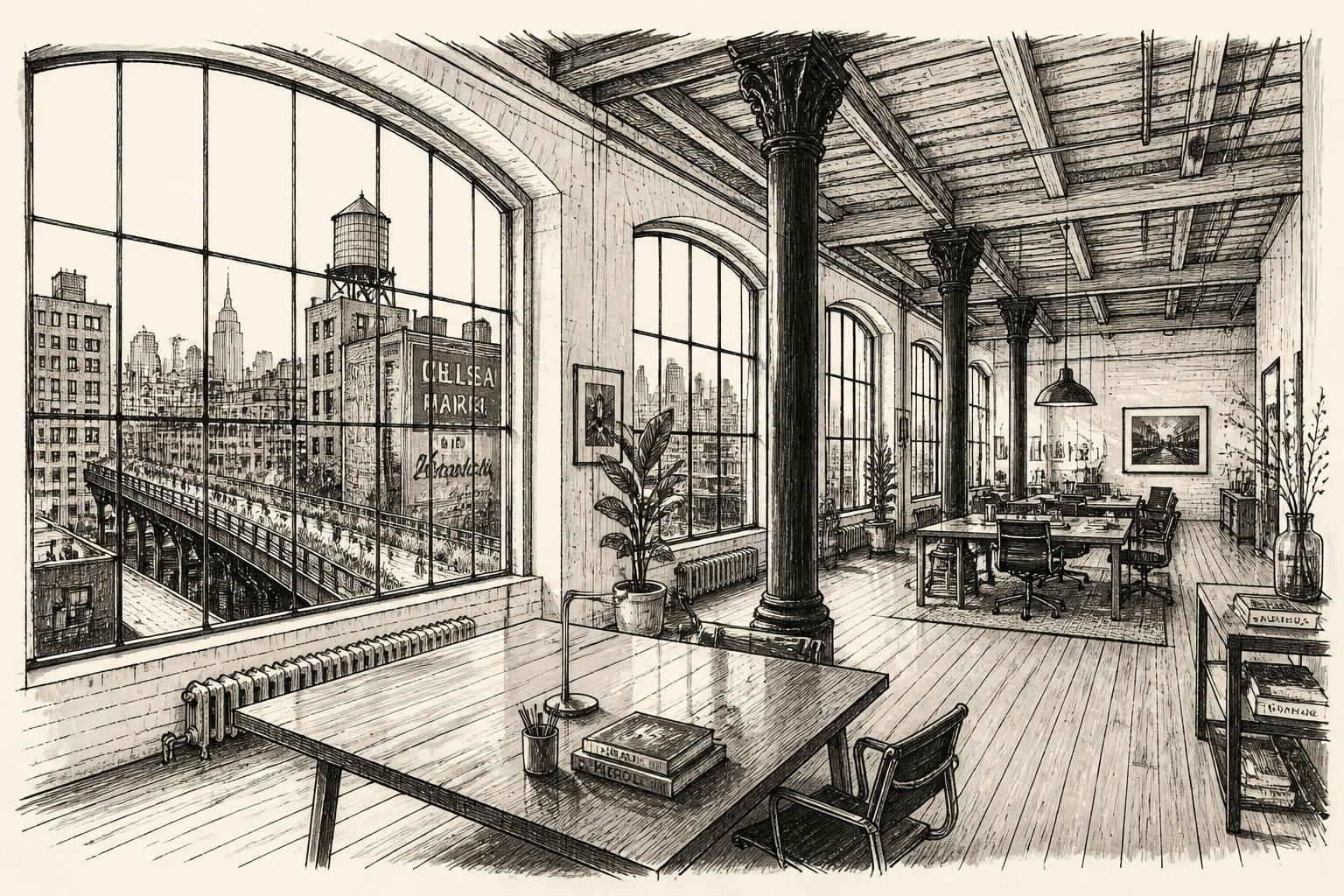
Three kinds of building, one neighborhood name
Chelsea has a wider range of loft stock than anywhere else in Manhattan, and most of the confusion in a Chelsea search comes from not naming which part you are in. The neighborhood ran industrial along the river and residential in the middle for most of two centuries, and both halves left buildings behind. A converted Nabisco floor and a prewar office floor on Seventh Avenue are both marketed as Chelsea lofts. They share a zip code and almost nothing else.
What the good ones have in common: ceilings 11 to 16 feet clear, big windows or continuous ribbon glazing, exposed structure, a freight elevator that still works, and floor loads set for industry rather than desks. What varies enormously is plate size, freight capacity, condition, and how much of the rent you are paying for the view of the High Line.
West of Tenth, the avenues, and the renovated tier
Warehouse and freight buildings (roughly 1900–1940). The West Chelsea stock — Starrett-Lehigh, the Terminal Warehouse, the Nabisco complex and their neighbors. Concrete and steel, very large plates, ribbon or industrial sash windows, high loads, and freight built for pallets rather than filing cabinets. These are the buildings the galleries took when nobody wanted them, and they are the reason anything physical is still possible in Manhattan.
Prewar loft-and-office (roughly 1900–1935). The avenue stock on Sixth, Seventh and Eighth through the 20s. Smaller floors, commonly 4,000 to 10,000 sq ft, masonry with steel framing, good ceilings, ordinary passenger service and one modest freight. Cheaper per foot than anything west of Tenth, considerably better connected, and where most of the small and mid-size space in Chelsea actually is.
The renovated tier. Warehouse buildings taken back to the studs since the 2005 rezoning, with new systems, new lobbies and High Line frontage. They read as loft and price as Class A — the neighborhood's best product asks near $108 per foot. Excellent buildings; just be clear you are buying a renovation rather than discovering one.
What to check on a Chelsea tour
Freight, and who runs it. The single biggest difference between West Chelsea and the avenues. Ask the capacity in pounds, whether the car opens into your space, whether there is street-level or dock access, and whether the operator works weekends. A gallery or a fabricator with weekday-only freight has a problem the lease will not solve.
Floor load. Ask for the live-load rating in PSF. The West Chelsea warehouse stock frequently carries 150 and up because it was built for freight; the prewar avenue buildings are often far lower than tenants assume. If you are putting a press, a kiln, dense storage or heavy art on it, get the number in writing.
Loss factor. Manhattan-specific and it will move your real number more than the asking rent does. Two floors quoted at the same price can differ by fifteen percent in usable space. Ask what the loss factor is on the floor you are touring, not the building average.
HVAC and after-hours. Ask whether cooling is base-building or your own units, and how after-hours air is billed. Studios, galleries and production teams run outside nine-to-five constantly, and metered after-hours HVAC is the line item that surprises people in month three.
Which side the High Line runs. If the park passes your building, find out whether it fronts your windows, your loading area, or neither. It affects light, privacy, foot traffic and how deliveries actually happen.
Residential neighbors. The 2005 rezoning put housing into blocks that had been purely industrial for a century. A building that allowed anything ten years ago may now sit beside apartments. Confirm permitted hours, amplified sound and loading in the lease rather than from the building's history.
Where the loft blocks actually are
Chelsea runs from 14th to 30th and from Sixth Avenue to the river, and it splits cleanly into three north-south bands.
West of Tenth — the gallery and warehouse district. The big floors, the freight, the High Line, and more than two hundred galleries between roughly West 19th and West 27th. Highest rents in the neighborhood for the renovated product, and the longest walk to a subway anywhere in Chelsea.
Eighth to Tenth — the middle. Chelsea Market and the 111 Eighth Avenue block anchor the south end, with a mix of converted industrial and prewar above. Good balance of building character and transit, and where the media and tech tenancy has concentrated.
East of Eighth — the prewar avenues and the row-house core. Loft-and-office floors on Sixth and Seventh through the 20s, the landmarked Chelsea Historic District side streets, and the best transit in the neighborhood. Least expensive per foot and least industrial; the right answer for a team that wants character without a freight elevator.
What tenants ask us about most
“How much is a floor?” Roughly $60–$95 per SF per year for creative loft space — prewar floors east of Eighth at the low end, renovated West Chelsea space near the High Line well above it. Ask what the loss factor is, whether cooling is base-building or yours, and how after-hours HVAC is metered before comparing two buildings.
“West Chelsea or the avenues?” The question that decides your search. West of Tenth means warehouse and gallery buildings: big plates, freight, roll-ups, High Line premiums. East of Eighth means prewar loft-and-office: smaller floors, cheaper per foot, far better transit. Same neighborhood, two different markets and two different rents.
“Can I do art handling, fabrication or production?” Yes, more easily than anywhere else in Manhattan — the West Chelsea stock was built for freight and much of it still has the loads, the elevators and the street-level access. The constraint is residential neighbors added since the 2005 rezoning. Get hours, loading and noise confirmed in the lease rather than relying on what the building used to allow.
“What's the catch with Chelsea space?” Price and the walk. You are paying a High Line and gallery-district premium for the best of it, and the buildings furthest west — the ones with the real floors — are a genuine ten minutes from a train. Budget for the rent and test the commute with your team before you commit to a floor on Eleventh Avenue.
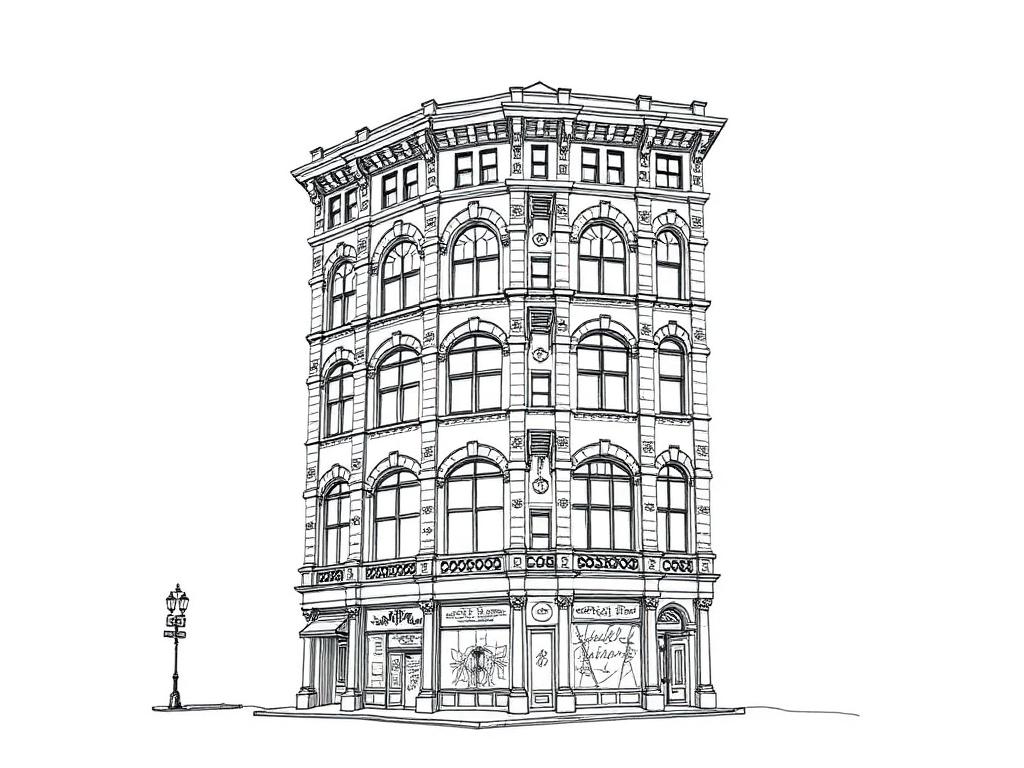
Store-and-loft buildings put up to show and sell goods, with high-ceilinged showroom floors and passenger-first elevators. Narrower plates than Chelsea's warehouse stock, and considerably more ornament on the facade.
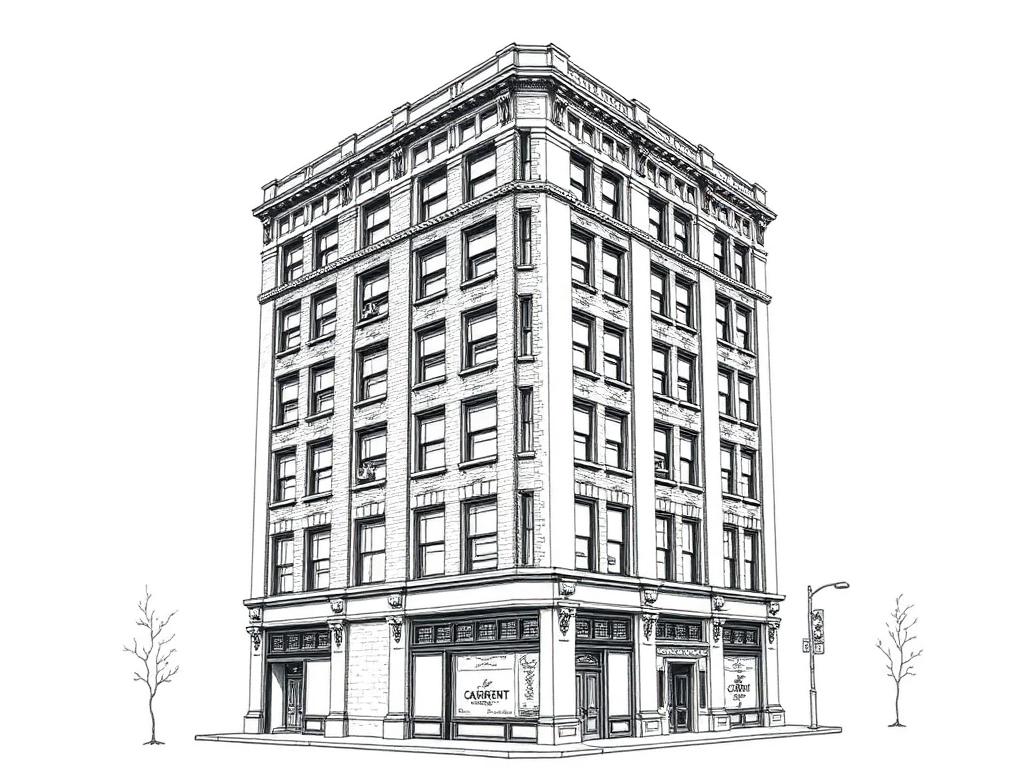
Tall 1920s manufacturing lofts built for cutting and sewing floors, stacked far higher than Chelsea's warehouses on tighter blocks. Good freight, steady plate depth, very little daylight at street level.
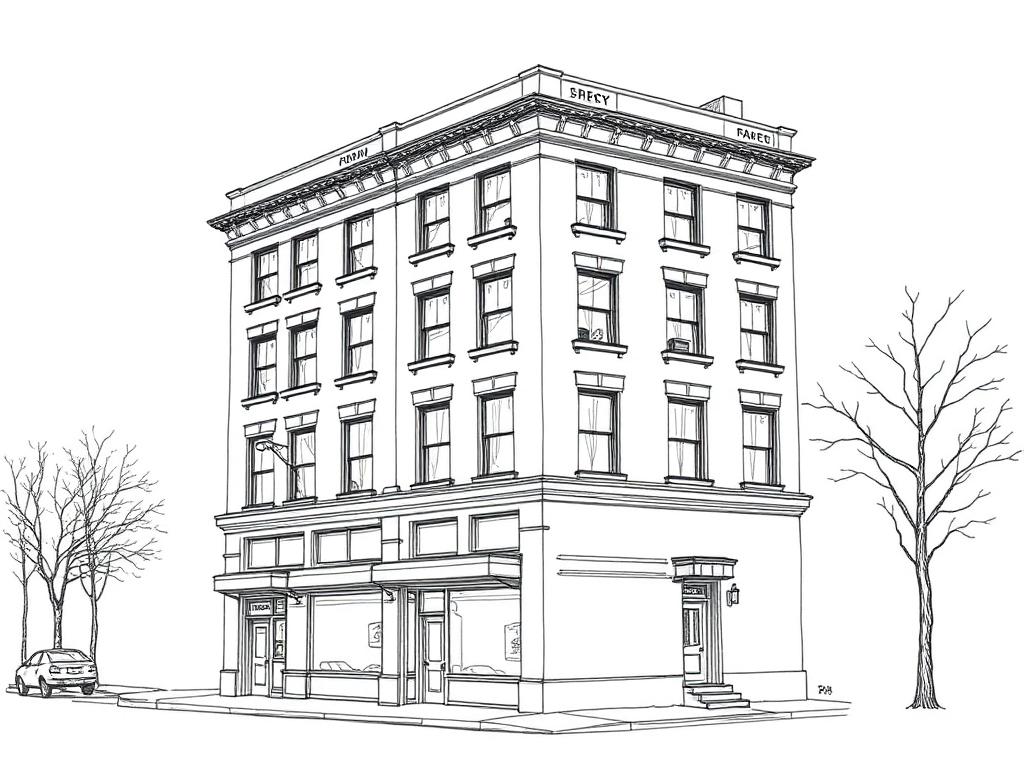
Prewar office and loft-and-office buildings on quieter, residential-scaled blocks. Smaller floors than Chelsea, masonry with steel framing, and passenger service rather than real freight.
Tell us what you're after.
Seven quick questions. A person reads it. We keep an eye out — including for floors that never hit a listing site.
Start the Brief →